
Are Gel Blaster Balls Toxic to Dogs? Understanding the Safety of Gel Blaster Balls
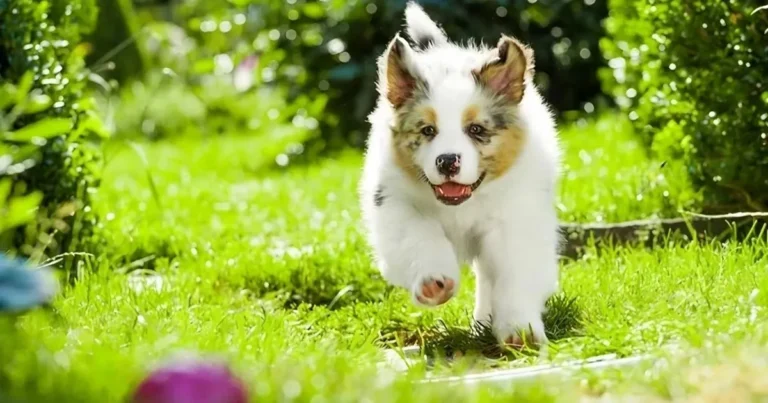
Gel blaster balls have become increasingly popular as a fun and engaging activity for kids and adults, adding a unique twist to traditional outdoor games. However, pet owners often have concerns about the safety of these colorful orbs, particularly regarding their furry friends. Given that dogs are naturally curious, it’s important to determine if gel balls pose any health risks. In this article, we’ll examine the composition of gel blaster balls and answer the important question: Are gel blaster balls toxic to dogs?
Composition of Gel Blaster Balls
Gel blaster balls, often referred to as gel balls, are mainly made from superabsorbent polymers (SAP) that absorb water and increase in size. These materials are non-toxic and biodegradable, making them safe for the environment and posing minimal risk to users. The primary chemical used is sodium polyacrylate, which effectively holds moisture, causing the balls to burst on impact during gameplay.
Many gel blaster balls are subjected to thorough testing to achieve safety certifications, ensuring they are free of harmful substances. This focus on safety is essential, particularly for family-friendly activities, allowing gel blaster games to be fun for all ages while keeping user safety a top priority.
Potential Risks of Gel Blaster Balls to Dogs
Gel blaster balls are popular for recreational use, but they can pose several health risks to dogs. If ingested, these small, gelatinous orbs may cause gastrointestinal blockages, leading to symptoms like vomiting, lethargy (lack of energy), and abdominal pain. Moreover, the materials in gel blaster balls might contain chemicals that can irritate a dog’s digestive system or skin upon contact.
Dogs are naturally curious and might confuse these balls with toys or treats. It’s important for pet owners to keep an eye on their pets during playtime and ensure that gel balls are stored safely out of reach. If a dog shows any signs of distress after coming into contact with these balls, it’s vital to seek immediate veterinary care to avoid serious health issues. Being aware and taking precautions can help keep your furry friends safe while they enjoy outdoor activities.
Signs of Toxicity in Dogs
If you’re concerned that your dog might have ingested toxic gel balls, be on the lookout for these common symptoms:
- Vomiting: Dogs may vomit to rid themselves of harmful substances, which can also lead to dehydration.
- Diarrhea: Loose or watery stools may indicate irritation in the digestive system.
- Lethargy: A noticeable decrease in energy or interest in activities can be a sign that your dog is not feeling well.
- Excessive Drooling: Increased saliva production often points to nausea or gastrointestinal issues.
- Abdominal Pain: Signs such as whining, restlessness, or guarding the abdomen can indicate discomfort.
- Loss of Appetite: A sudden refusal to eat may suggest underlying health problems.
If you observe any of these symptoms, it’s crucial to seek veterinary help right away to ensure your dog’s safety and well-being.
What to Do If Your Dog Ingests a Gel Blaster Ball
If your dog has swallowed a gel blaster ball, it’s important to respond quickly and calmly. First, keep an eye on your dog for any immediate signs of distress, such as vomiting, excessive drooling, or lethargy. These symptoms might indicate a possible blockage or an adverse reaction. Then, evaluate the size of the balls; smaller ones may pass through the digestive system without problems, while larger ones could lead to obstruction.
If your dog exhibits any concerning symptoms or if you’re uncertain about the ball’s size, reach out to your veterinarian right away. They can advise you on whether your dog needs to be examined. Be ready to provide details about the situation, including the size of the ball and any symptoms you’ve noticed. Quick veterinary attention can be vital in preventing serious health issues and helping to keep your animal buddy safe and healthy.
Preventing Accidents with Gel Balls
To prevent accidents with gel balls, it’s important to take proactive safety measures. Proper storage is essential; always keep gel balls out of your dog’s reach, preferably in a closed container or on a high shelf. Supervision during playtime is crucial, as it allows you to keep an eye on your dog’s behavior and step in if they try to chew or swallow a ball. You might also consider offering safe alternatives, such as durable rubber toys or tennis balls, to satisfy their play instincts without the associated risks. By following these pet safety tips, you can greatly reduce the chances of accidents and create a safe, enjoyable environment for your pets.
Conclusion
In summary, while gel blaster balls offer a fun and exciting experience for players of all ages, we must not overlook their safety concerning pets, especially dogs. These balls are primarily made from non-toxic superabsorbent polymers, which suggests they are generally safe when used properly. However, the risks associated with ingestion and potential health issues should not be dismissed. As responsible pet owners, it’s important to stay alert during playtime and take necessary precautions to prevent our furry companions from accidentally swallowing these gel balls. By ensuring they are stored properly, supervising your dog, and being aware of any signs of toxicity, you can help protect their health while enjoying outdoor activities.
If you think your dog has ingested a gel ball or is displaying any signs of distress, seeking prompt veterinary care is crucial. By prioritizing your pet’s safety, you can enjoy the excitement of gel blaster games without jeopardizing their well-being. Remember, a little awareness and proactive planning can significantly contribute to keeping our beloved pets safe and happy.
FAQs
Are gel blaster balls toxic to humans?
Gel blaster balls are generally non-toxic to humans, as they are made from biodegradable superabsorbent polymers. However, ingestion should still be avoided, and safety precautions are recommended.
How long do gel balls last out of water?
Gel balls can last several hours out of water, depending on humidity and temperature. In dry conditions, they may start to shrink within an hour, so it’s best to keep them hydrated until use.
Can gel blasters be used for target practice?
Yes, gel blasters can be used for target practice. They offer a fun and safe way to improve shooting accuracy. Just ensure you’re using appropriate targets and follow safety guidelines during practice.
How can I enhance my gel blaster’s accuracy?
To enhance your gel blaster’s accuracy, consider upgrading the barrel for better precision, using high-quality gel balls, adjusting hop-up settings, and maintaining consistent shooting stance and grip.
What kinds of gel blaster scenarios can I play?
You can play various gel blaster scenarios like capture the flag, team deathmatch, or zombie apocalypse. Create obstacle courses or tactical missions to intensify gameplay and increase excitement among players.